

Have you ever woken up feeling like the world has lost its color? It isn’t just about having a “bad day” or feeling “blue.” For millions, depression feels like a heavy, invisible fog that follows them into every room. It changes how you think, how you sleep, and even how you breathe. Right now, more people than ever are searching for answers, trying to understand why their joy has been replaced by a persistent, aching numbness.
This guide isn’t here to give you medical “claims” or robotic definitions. It is here to help you navigate the confusion of symptoms, causes, and the often-misunderstood types of depression. Whether you are looking for yourself or a loved one, understanding the “why” behind the heaviness is the first step toward finding the light again. Let’s look at what is actually happening.

What is Depression?
To truly understand what is depression, we have to look past the dictionary. Clinical depression, or Major Depressive Disorder, is a complex mental health condition. It is a persistent state that affects your chemistry, your thoughts, and your physical body. It is not a choice, and it certainly isn’t a sign of weakness.
The Difference Between Sadness and Depression
Sadness is a human emotion. We feel it when we lose a job, end a relationship, or experience grief. Usually, sadness fades with time. Depression is different. It is like a guest that moves in and refuses to leave. It lingers for weeks or months, often without a specific “reason” to trigger it.
The Connection Between Depression and Anxiety
It is very common for depression and anxiety to show up together. Think of them as two sides of the same coin. While depression can feel like being stuck in a deep well, anxiety feels like being trapped in a storm. One slows you down; the other keeps you on edge. When they overlap, it can feel exhausting. You might feel “tired but wired”—physically drained but unable to quiet your racing thoughts.
Early Warning Signs
Common depression symptoms often start small. You might find that you no longer enjoy your favorite hobbies. Maybe you are sleeping too much, or perhaps you can’t sleep at all. These aren’t just “mood swings”; they are signals from your nervous system that something is out of balance.
“Depression is not a lack of willpower; it is a physiological and emotional state that requires the same patience and care as a physical injury.”
Looking for a more foundational breakdown? If you want to dive deeper into the core mechanics of mental health, check out our Complete Guide to Depression Symptoms and Causes, which offers an all-in-one resource for beginners.
Understanding the 7 Types of Depression
When we talk about this condition, it is vital to realize it isn’t a “one size fits all” diagnosis. Understanding the specific 7 types of depression helps in identifying the right path for recovery.
- Major Depressive Disorder (MDD): This is what most people mean when they use the word depression. It involves a constant dark mood and a loss of interest in activities that once brought joy.
- Persistent Depressive Disorder (Dysthymia): This is a chronic form of low mood that lasts for two years or more. While it might feel less “intense” than MDD, its long-term nature can be incredibly draining.
- Bipolar Disorder: Formerly called manic depression, this type involves mood swings that range from emotional highs (mania) to extreme lows (depression).
- Postpartum Depression: This goes far beyond the “baby blues.” It is a serious condition that affects new mothers, involving extreme sadness and exhaustion after childbirth.
- Seasonal Affective Disorder (SAD): As the days get shorter in winter, many people experience a drop in mood. This is often linked to a lack of natural sunlight.
- Psychotic Depression: This occurs when a person has severe depression plus some form of psychosis, such as hallucinations or delusions.
- Premenstrual Dysphoric Disorder (PMDD): A severe form of premenstrual syndrome (PMS) that causes physical and emotional symptoms that interfere with daily life.
What is Respiratory Depression?
It is important to clarify a term that often confuses people during a search: respiratory depression. Unlike the mental health condition we are discussing, this is a physiological state where breathing becomes too slow or shallow. It is often caused by medications or underlying lung issues. While the names are similar, they are entirely different medical concerns. If you are experiencing physical trouble breathing, seek emergency care immediately.
“Naming your struggle is the first step toward taming it. By identifying the specific type of depression, you move from confusion to a focused plan of action.”
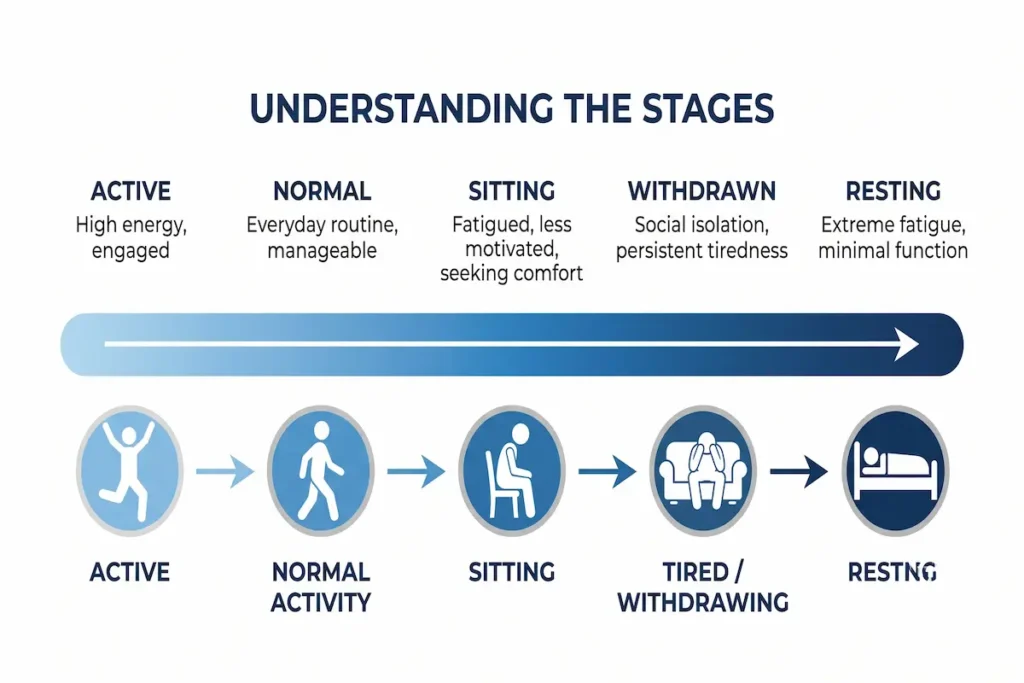
The 3 Stages of Depression
Many experts look at the progression of this condition in stages. This helps patients understand where they are and why they feel a certain way.
- Stage 1: The Internal Struggle (The Onset): This is the beginning phase. You might feel “off” or more tired than usual. You are still functioning, but everything feels like it takes twice the effort.
- Stage 2: The Social Withdrawal: At this stage, depression symptoms become more visible. You might start canceling plans, avoiding phone calls, and feeling a deep sense of isolation even when you are with people.
- Stage 3: The Functional Crisis: This is the most severe stage. Basic tasks like showering or eating feel impossible. At this point, seeking professional depression help is not just recommended; it is essential.
Causes and Risk Factors
Why does this happen? The answer is rarely a single event. It is usually a combination of factors.
- Brain Chemistry: An imbalance in neurotransmitters like serotonin and dopamine can trigger a depressive state.
- Genetics: If your family has a history of mood disorders, you may be more susceptible.
- Life Events: Trauma, loss of a loved one, or even a major positive life change (like moving) can trigger a shift.
- Medical Conditions: Chronic pain or illnesses can lead to secondary depression.
- Environmental Factors: High-stress environments or a lack of support systems play a massive role.
“Your biology is not your destiny. Understanding your risk factors allows you to build a stronger, more personalized toolkit for mental wellness.”
It is important to note that age plays a massive role in how these symptoms appear. While this article focuses on general adult experiences, younger readers face unique challenges. You can read our specialized report on Understanding and Supporting Teen Depression to learn about the specific warning signs in adolescents.
The Long-Term Effects of Untreated Depression
If left unaddressed, depression isn’t just a mental burden; it becomes a physical one. Chronic stress from a low mood keeps your body in a “fight or flight” state for too long. Over time, this can lead to a weakened immune system, making you more prone to getting sick.
Research also shows a link between long-term depression and heart health. The persistent fatigue often leads to a sedentary lifestyle, which can impact your cardiovascular system. Mentally, untreated symptoms can lead to “brain fog,” making it difficult to focus at work or remember simple tasks. This is why seeking depression help early is so critical—not just for your mind, but for your entire body’s longevity.
Depression Treatment and Finding Local Support
Recovery is a journey, not a destination. Modern depression treatment is more diverse and accessible than ever before. For many, a combination of therapy (like CBT) and lifestyle changes creates the best foundation. Others may find that medication helps balance the brain chemistry needed to engage in therapy effectively.
While every individual’s journey is unique, it is important to rely on evidence-based practices. According to the standard medical treatments for depression outlined by the Mayo Clinic, a combination of psychotherapy and medication is often the most effective approach for moderate to severe cases. Understanding these clinical options helps you move from feeling overwhelmed to having a clear, structured roadmap for healing.
Finding Help Today
One of the most common searches today is “depression treatment near me.” When you are in the middle of a crisis, you need local, tangible support. We recommend using the tool below to identify clinics, therapists, and support groups in your immediate area.
How to use Google Maps for Mental Health:
- Open Google Maps on your device.
- Type “Mental Health Clinic” or “Psychotherapist” into the search bar.
- Look for “Verified” listings with patient reviews.
- Check for “Telehealth” options if you prefer to start your journey from home.

Why This Matters Right Now
What most people are missing is that we are currently living through a “transparency revolution.” In the past, people suffered in silence, believing their heaviness was a personal flaw. Today, we understand that our environment—from digital overstimulation to social isolation—plays a massive role in our mental state.
The bigger picture is that depression is often a signal that our current way of living is unsustainable. It is a call to slow down, reconnect with our physical needs, and seek community. By talking about it openly, we strip the condition of its power to cause shame.
“Seeking help is the ultimate act of bravery. It is the moment you decide that your future is worth more than your current pain.”
Conclusion
Understanding depression is the first step toward reclaiming your life. We have explored the various types, the stages of the condition, and the importance of finding local treatment. Remember, this article is for informational purposes and is not a substitute for professional medical advice.
The core insight to take away is that you are not alone in this fog. Whether you are dealing with a seasonal shift or a long-term struggle, there are tools and people ready to help you navigate back to clarity. Watch for the signs, be patient with yourself, and don’t hesitate to reach out to a professional today.
Frequently asked Questions (FAQ’s)
What are 5 symptoms of depression?
Common signs include persistent sadness, changes in sleep patterns (too much or too little), loss of interest in hobbies, feelings of worthlessness, and physical fatigue that doesn’t go away with rest.
What is the 3-3-3 rule for depression?
The 3-3-3 rule is a grounding technique often used for anxiety and depression. You look around to name three things you see, identify three sounds you hear, and move three parts of your body (like your fingers, ankles, or arms) to reconnect with the present moment.
How do I know if I am depressed?
If your low mood lasts for more than two weeks and interferes with your ability to work, eat, or maintain relationships, it is time to speak with a professional. Self-screening tools are helpful, but a clinical diagnosis is the best path forward.
What are the 7 types of depression?
The main types include Major Depressive Disorder, Persistent Depressive Disorder (Dysthymia), Bipolar Disorder, Postpartum Depression, Seasonal Affective Disorder (SAD), Psychotic Depression, and PMDD
Comments
2 responses to “Depression: A Helpful Guide to Healing, Hope, and Recovery”
Appreciate the effort you put into this.
Excellent explanation, thanks!