
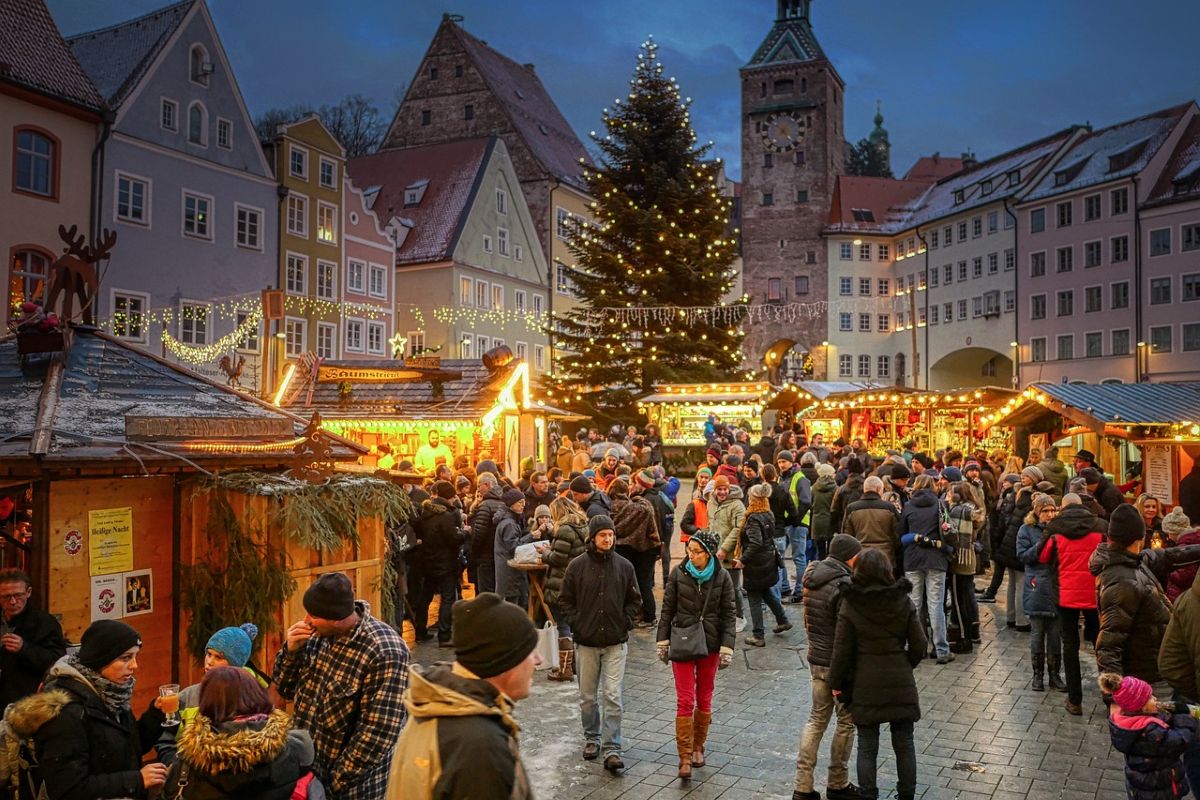
Christmas is celebrated in dazzling ways across the world, with lights, music, gifts, and cherished traditions that seem to make the season feel magical and warm. Yet many people are beginning to ask where these customs truly come from, and whether they match a Bible-based faith or simply reflect human culture and habit.
This blog explores Christmas customs and traditions around the world, while gently inviting readers to look beyond the festivities and focus on living God’s truth every day.
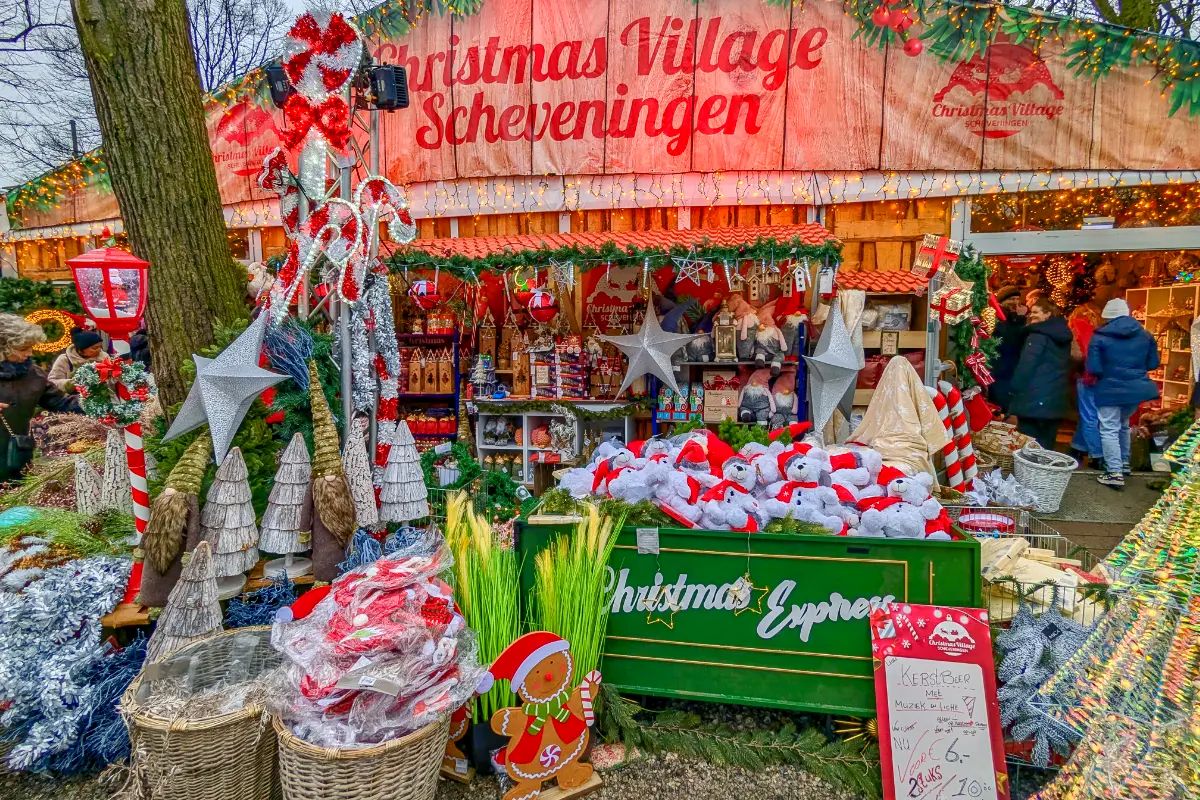
A Season That Captures the World
December arrives and the world begins to glow. Streets sparkle with bright lights, store windows fill with red and gold, and the sound of joyful songs echoes through city squares. From snowy European towns to warm island markets, people everywhere prepare for what many call the most beautiful time of the year.
Christmas around the world feels magical. Families gather to share meals, children decorate trees, and friends exchange gifts wrapped with care. Every country adds its own color, music, and flavor to the season, creating a rich tapestry of Christmas customs and traditions that seem to connect all humanity under one spirit of joy.
Yet, behind all the glitter and charm lies a question that few stop to ask: where did these celebrations begin? Why do people hang bright ornaments, sing carols, or greet one another with cards and gifts? Are these Christmas symbols rooted in the teachings of the Bible, or have time and culture shaped them into something quite different?
This journey explores those questions — tracing how nations celebrate Christmas today while uncovering the story behind the season. It’s a closer look at a holiday that unites billions, even as its origins and meaning remain deeper than most imagine.
The Global Joy – A Look Across Nations
Across the globe, December paints a vivid picture of celebration. In Japan, bright illuminations transform streets into glowing art displays, while sweet strawberry cakes fill shop windows. Couples enjoy festive dinners and families share gentle moments of cheer. Yet, in a land where Christmas has no deep religious meaning, these charming customs reflect kindness and togetherness rather than any biblical tradition.
Further south in Australia, Christmas arrives under the summer sun. Beaches replace snow, and barbecues take the place of roasts. Friends sing carols along the coast as waves roll in, and families exchange gifts outdoors instead of by the fireplace. It’s a celebration shaped by weather and culture, not scripture or ancient faith.
In Italy, the season carries a deeper sense of heritage. Cities shimmer with nativity scenes, known as *presepi*, while families gather for elaborate meals that continue through midnight mass. In France, homes fill with the scent of the *Bûche de Noël*, a cake shaped like the Yule log once burned for good luck.
Spain bursts with joyful parades and the famous Christmas lottery, *El Gordo*, which many hope will bless their new year. These French Christmas customs, Italian gatherings, and Spanish celebrations come from centuries of folklore and tradition, passed down from generation to generation.
Farther north, Sweden glows with candlelit processions for St. Lucia’s Day, symbolizing light in the dark of winter, while Russia celebrates much later — following the old Julian calendar. For many, their Christmas customs are intertwined with older beliefs and cultural rituals that predate biblical Christianity.
Together, these scenes form a beautiful mosaic of human joy and expression. Yet when viewed closely, it becomes clear that none of these reflect what the early followers of Christ practiced after his time. The warmth and togetherness may remain, but the origins of these customs tell a very different story — one shaped more by culture than by faith.
Where Did Christmas Really Come From?
In many places, Christmas feels ancient, as if people have always marked this date with trees, lights, and special meals. Yet the Bible does not mention a command to celebrate Jesus’ birth, nor does it give a specific date for it. Early Christians focused far more on his life, teachings, and death than on an annual birthday festival, and there is little evidence that the first generations of believers kept anything like the modern holiday.
For a deeper look at the biblical roots of the season, see our earlier article, The Truth About Christmas: Exploring Traditions and Biblical Perspectives.”
Centuries later, things began to change. Historical records show that a celebration of Jesus’ birth on December 25 started to appear in Rome in the 4th century, long after the time of the apostles. Around that period, the Roman world already kept popular winter festivals such as Saturnalia and the feast of the Unconquered Sun, events filled with feasting, gift-giving, and public joy.
For a clear video explanation of Christmas origins, see [What Is the Origin of Christmas?] https://www.jw.org/en/library/videos/ebtv/what-is-the-origin-of-christmas/) from JW.org.
Over time, some customs from these celebrations, along with elements from northern European Yule traditions, blended into what many now see as familiar Christmas symbols.
Because of this history, many features of Christmas customs and traditions today reflect culture and politics more than clear biblical instruction. Decorating evergreen trees, burning logs, exchanging presents on a fixed winter date, or centering on a festival once a year are practices shaped by centuries of human choice.
For someone who wants worship to rest solidly on Scripture, this raises thoughtful questions. Is following long-standing custom enough, or is it important to ask whether these traditions match what early followers of Christ actually did and believed?
When Festivity Overshadows Faith
In many cities, office halls and hotel ballrooms fill up long before December 25. Modern Christmas customs often include grand corporate dinners, loud music, flowing drinks, and “no-rules” themes that promise a night to remember.
Some events, like the infamous Stryker Christmas party reported in the media, turn into wild Christmas parties where laughter slowly gives way to excess, poor choices, and regret. In such moments, Christmas celebrations can feel less like a season of peace and more like an excuse to push limits.
Scenes like these raise an honest question: what place do love, humility, and self-control have when a celebration spins out of control? The Bible highlights qualities such as kindness, respect, and self-discipline as marks of genuine faith, yet certain modern Christmas customs encourage the very opposite spirit.
When a party becomes more about alcohol than appreciation, more about showing off than showing love, the focus quietly shifts away from the values Jesus taught. Instead of drawing hearts closer to God and to one another, these celebrations risk leaving people empty, tired, or even hurt once the music stops.
The Beauty in Simplicity: Finding the Real Message
Not everyone feels at ease with the noise, pressure, and expense that often surround Christmas traditions today. In many places, people are quietly stepping back from the rush, choosing smaller gatherings, thoughtful conversations, and simple meals over crowded malls and overflowing gift lists. Instead of chasing every trend, they focus on gratitude, kindness, and time with family, searching for the true meaning of Christmas beyond sales, slogans, and seasonal rituals.
For those who value a Bible-based faith, this simpler path feels more honest. They see that genuine worship is not meant to be limited to one date on a calendar or to a set of inherited customs, but to be a way of life shaped by scriptural truth every day.
Rather than relying on man-made traditions to feel close to God, they aim to reflect qualities like love, humility, and integrity in ordinary moments at home, at work, and in their communities. In that quiet, steady way of living, many find a deeper, more lasting joy than any festival can offer.
Conclusion – Light Beyond the Lights
Christmas around the world can be beautiful to watch. Streets glow, familiar songs fill the air, and each culture adds its own color, flavor, and joy to the season. These customs can warm the heart and bring people together, even when their styles and symbols differ. Yet real hope and lasting joy do not rest on dates, decorations, or traditions. They come from building life on God’s truth, letting faith guide choices not only in December but in every ordinary week of the year.
When love, humility, and peace shape daily conduct, even a simple day can shine brighter than the grandest festival. Perhaps the truest celebration is not found in feasts, gifts, or crowded parties, but in quietly doing what is right — every day of the year.
Enjoyed this article?
If you find the blogs helpful, you can support Chatterlane with a small contribution. Even a cup of coffee helps me continue creating useful, well-researched content.
Comments
One response to “Christmas Secrets: Hidden Truths of Traditions”
Thanks for sharing superb informations. Your web site is very cool. I am impressed by the details that you have on this blog. It reveals how nicely you understand this subject. Bookmarked this website page, will come back for more articles. You, my pal, ROCK! I found just the information I already searched all over the place and simply couldn’t come across. What an ideal website.