
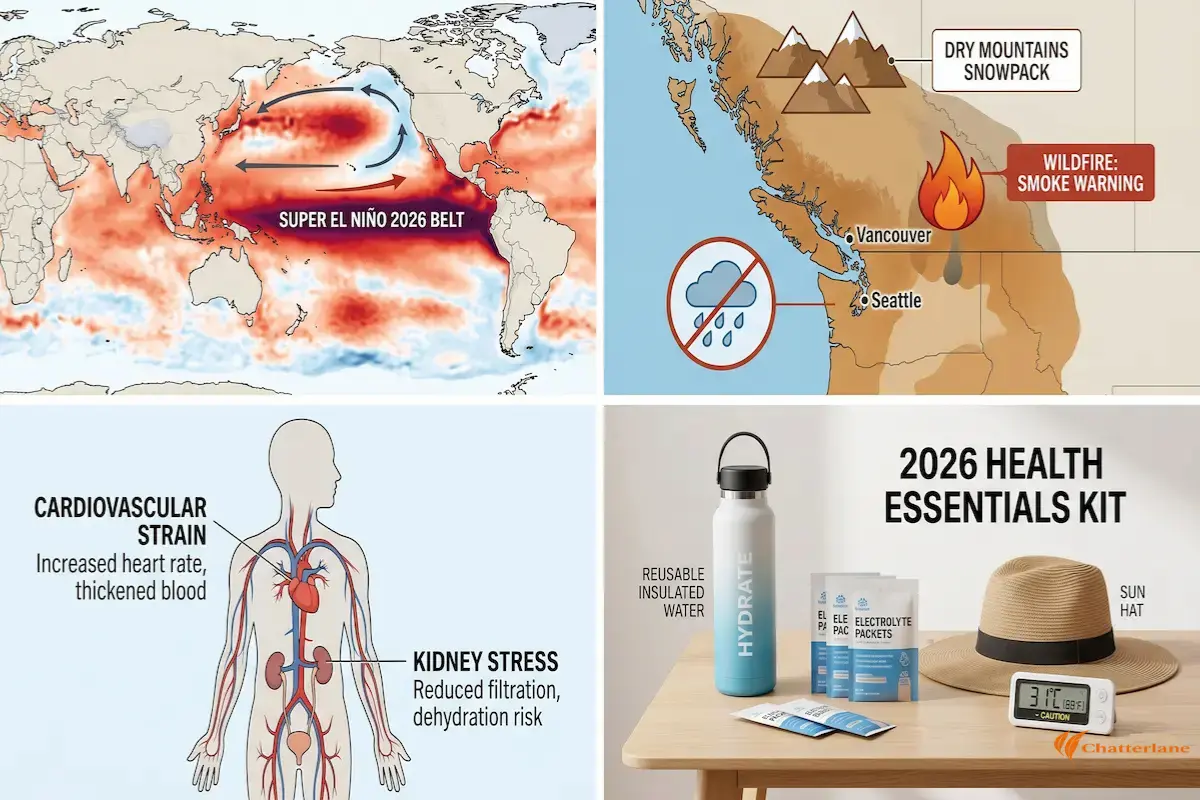
Have you noticed the air feeling a bit heavier lately, or that the usual spring breeze has a strange, persistent heat behind it? You aren’t imagining it. As we move through May 2026, climate scientists are sounding the alarm about a potential Super El Niño in 2026. This isn’t just a “hot summer” on the horizon; it is a significant shift in how our bodies interact with our environment. From the way your heart pumps during a heatwave to the quality of the water in your tap, the Super El Niño 2026 cycle is poised to be one of the most intense health challenges of the decade.
Understanding this phenomenon is the first step toward staying safe. Whether you are searching for al nino updates or the latest forecast for the Pacific Northwest, this guide breaks down what you need to know. The Super El Niño 2026 represents a “perfect storm” of high-intensity oceanic warming and record-breaking baseline temperatures, making proactive health management a necessity rather than an option.
What Exactly is a Super El Niño?
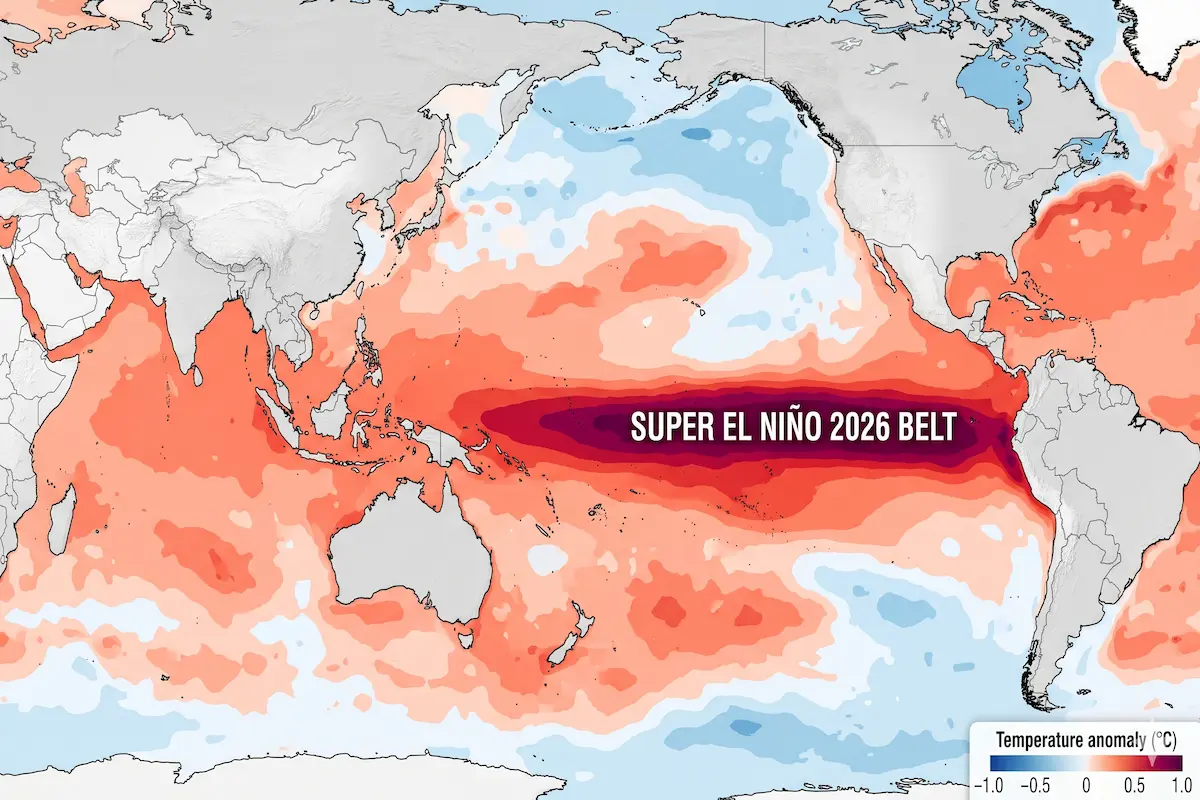
To understand the health risks, we must first comprehend the underlying causes. El Niño is a climate pattern where surface waters in the central and eastern Pacific Ocean become significantly warmer than average.
When this warming is extreme, we call it a Super El Niño. In 2026, the intensity is hitting record levels. This shift disrupts global weather, pushing heat into the atmosphere and altering rain patterns across the globe. For many, this means longer droughts, while for others, it results in sudden, catastrophic flooding.
The 2026 Transition
We are currently transitioning from a neutral phase into this high-intensity cycle. What makes Super El Niño 2026 different is the “baseline” temperature. Because the planet is already warmer than it was during previous cycles, the health impacts are being amplified. We aren’t just dealing with a natural cycle; we are dealing with a cycle on steroids.
The Silent Strain: Cardiovascular Health Risks
One of the most misunderstood aspects of extreme heat is its effect on the heart. Most people worry about sunburn or dehydration, but the real “silent” risk is cardiovascular stress.
When your body gets too hot, it tries to cool down by pumping more blood to the skin’s surface to release heat. This requires your heart to beat faster and harder. If you are already dehydrated, your blood becomes thicker, making the heart’s job even more difficult.
What Most People Are Missing
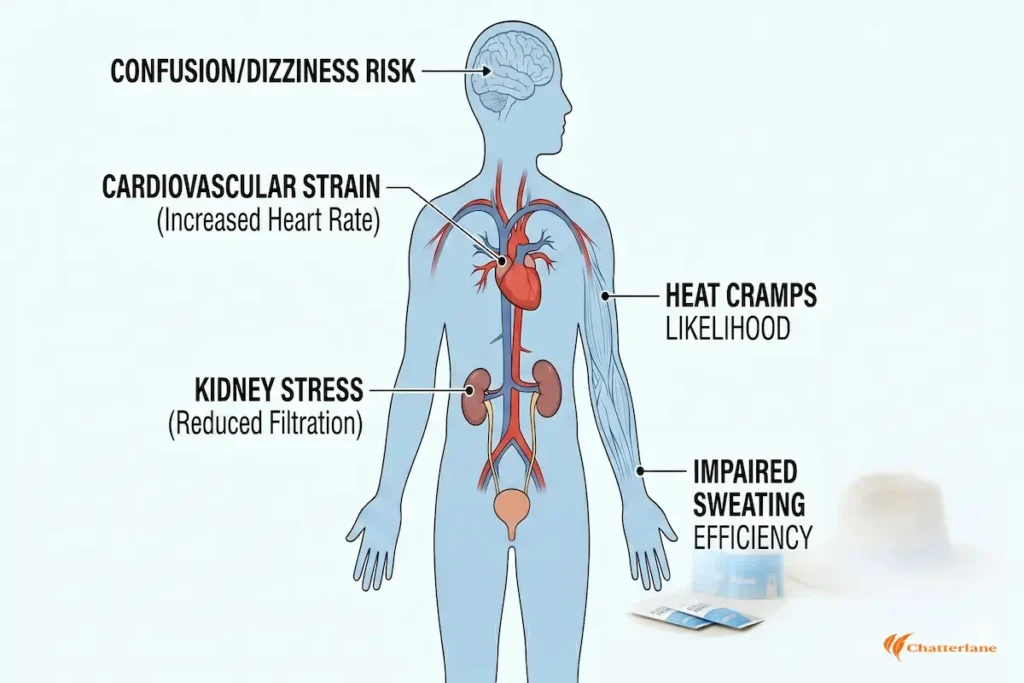
There is a growing trend in 2026 involving “silent heat stress.” This happens when you aren’t necessarily “sweating buckets,” but your internal organs are beginning to strain. Younger, healthy adults often ignore the early signs—a slight headache, a faster pulse, or mild nausea—thinking they can “power through” the heat.
However, current data suggest that even those without pre-existing conditions are seeing a rise in heat-induced heart palpitations during these intense cycles. It is vital to listen to your body before the symptoms become a crisis.
How Does El Niño Affect the Pacific Northwest?
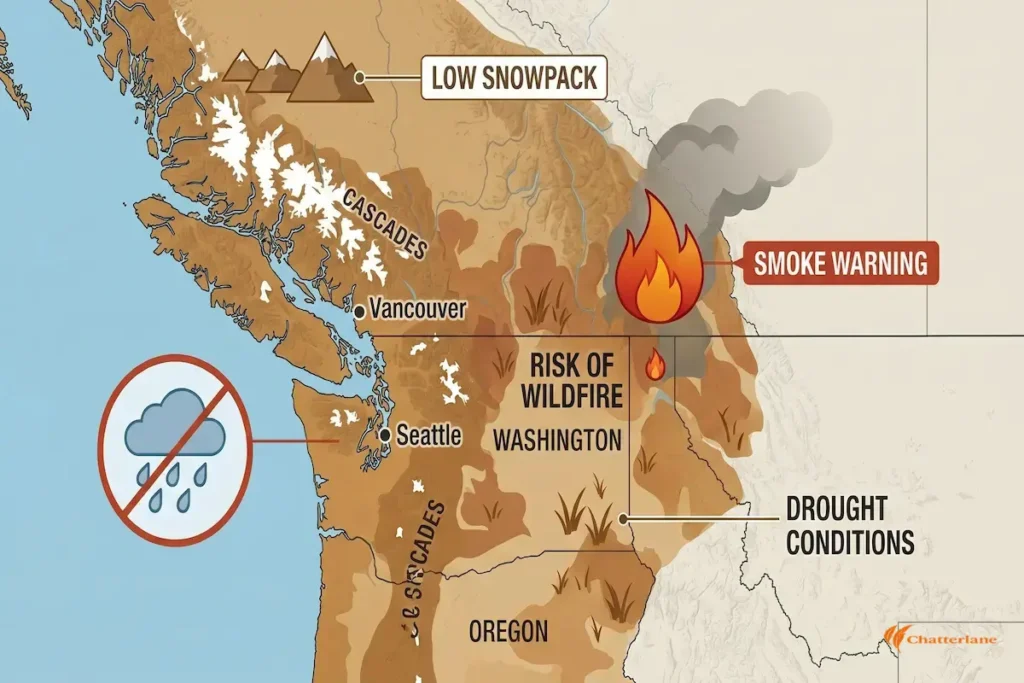
For readers in the Pacific Northwest, the impact of El Niño is often counterintuitive. While much of the southern US might see more rain, the PNW typically faces a warmer, drier winter and spring.
The PNW Health Landscape in 2026
- Respiratory Health: Drier conditions in the PNW lead to a higher risk of dust and late-season wildfire smoke. For those with asthma or seasonal allergies, the 2026 season could be particularly grueling.
- Water Scarcity: Reduced snowpack in the mountains means less fresh water runoff. This can lead to lower water quality in local reservoirs as stagnant water becomes a breeding ground for bacteria.
- Mental Well-being: The “grey” winters of the PNW are legendary, but a Super El Niño can bring “fake springs” followed by sudden dry spells. This inconsistency can disrupt sleep cycles and affect those managing Seasonal Affective Disorder (SAD).
If you live in this region, your “precaution” list should include upgrading your home’s air filtration system and staying ahead of local water quality reports.
Relying on air conditioning is necessary during a Super El Niño, but it can come with its own set of challenges. It is important to understand the connection between AC and breathing problems, such as dry nasal passages or recycled allergens, to ensure your cooling strategy doesn’t hurt your lungs.
The Water Paradox: Droughts and Disease
It seems strange to think that a dry spell could lead to water-borne diseases, but this is a classic El Niño hallmark. When water becomes scarce, people begin to store it.
If you are storing water in open containers because of local shortages, you are inadvertently creating a nursery for mosquitoes. This increases the risk of vector-borne illnesses like Dengue or Zika, even in areas that don’t usually see them. Furthermore, as water levels in lakes and rivers drop, the concentration of pollutants and pathogens increases.
Key Precautionary Steps:
- Cover All Water Storage: Ensure every barrel or tank is tightly sealed.
- Boil When in Doubt: If local authorities issue a water warning during a drought, do not take it lightly.
- Check Standing Water: Even a small tray under a flower pot can breed hundreds of mosquitoes in the 2026 heat.
Why This Matters Right Now: The Bigger Picture
We often treat the weather as something that happens to us, rather than something we are a part of. The reason Super El Niño 2026 matters so much right now is that it acts as a magnifying glass for existing health vulnerabilities.
If our local infrastructure isn’t ready for a 45°C (113°F) week, our bodies have to pay the price. This year is a wake-up call for “climate-ready” personal health. This means moving away from reactive care (treating a heatstroke) toward proactive management (optimizing hydration and cooling before the heatwave hits).
What Could Happen Next?
As we move into the latter half of 2026, we should expect a “lag effect.” The heat that builds up in the oceans now will continue to influence our health well into the winter months. We may see a shift in flu patterns or respiratory virus peaks because of the altered humidity levels across the country.
As humidity levels climb during the 2026 cycle, the air can feel physically heavier to breathe. Learning how to ease shortness of breath in humid weather is a vital skill for anyone living in coastal or tropical regions this year.
Essential Precautions: A Human-Centric Checklist
Instead of a long list of “dos and don’ts,” think of your 2026 health strategy in three pillars:
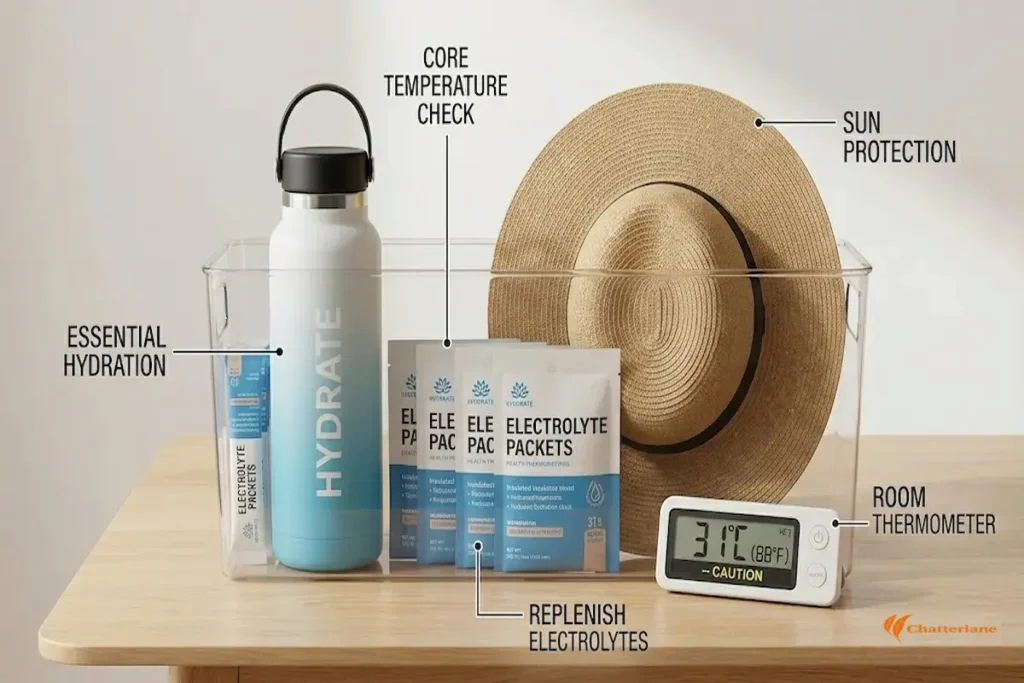
1. The Hydration Plus Strategy
Drinking plain water isn’t always enough when you are losing salt through sweat. In 2026, “electrolyte literacy” is a must. Include natural sources like coconut water or a pinch of sea salt in your water if you are spending time outdoors. Avoid excessive caffeine, which can act as a diuretic and worsen dehydration.
2. Strategic Cooling
If you don’t have air conditioning, the Urban Heat Island effect means your home might stay dangerously hot at night. Use “cross-ventilation” by placing fans near windows to pull in cooler night air. Cooling your core temperature—specifically your feet and neck—can help you sleep better during these humid al nino nights.
3. Vulnerable Monitoring
Check on your neighbors, especially the elderly. Their bodies do not regulate temperature as efficiently as younger people. A quick ten-minute phone call to ensure their home is cool enough could literally save a life during a Super El Niño 2026 peak.
When to Consult a Professional
While most El Niño-related health issues can be managed with common sense, there are clear “red lines” where you should seek medical help immediately:
- Confusion or Fainting: This is a sign of severe heatstroke.
- Rapid, Shallow Breathing: This indicates your heart and lungs are under extreme stress.
- No Sweating Despite the Heat: This is a medical emergency; your body’s cooling system has failed.
- Persistent Nausea: Heat exhaustion can quickly turn into organ damage if ignored.
While staying cool is the goal, knowing the exact moment to call for help can save a life. Because heat exhaustion can progress into organ damage in minutes, you should familiarize yourself with the official CDC heat illness symptoms. Recognizing the difference between a mild headache and a heatstroke emergency is the most important skill you can have this summer.
Conclusion: Awareness is Your Best Defense
The Super El Niño 2026 is more than a scientific curiosity. It is a reminder of how deeply our health is tied to the world around us. By understanding how El Niño affects the Pacific Northwest and staying vigilant about the “silent” risks to our hearts and respiratory systems, we can navigate this cycle safely.
Don’t wait for a heatwave to start your precautions. Small changes today—like checking your home’s air filters, understanding electrolyte balance, and keeping an eye on local water reports—will make all the difference. Stay cool, stay informed, and remember that on Chatterlane, knowledge is the best tool for a healthy life.