
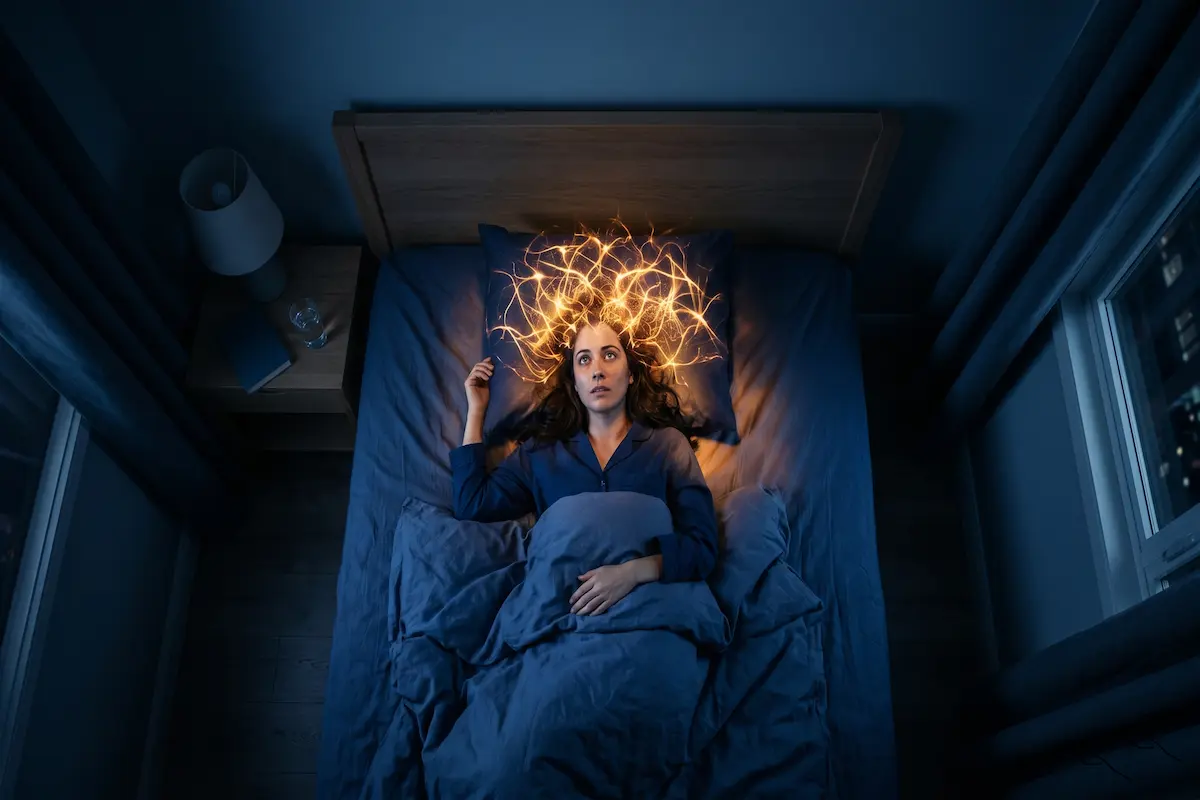
Insomnia is a sleep disorder where a person has persistent difficulty falling asleep, staying asleep, or waking too early, despite having adequate opportunity to sleep. It affects roughly 1 in 3 adults globally and is treated most effectively through Cognitive Behavioral Therapy for Insomnia (CBT-I), sleep hygiene changes, and in some cases, short-term medication.
The Night Everything Changed
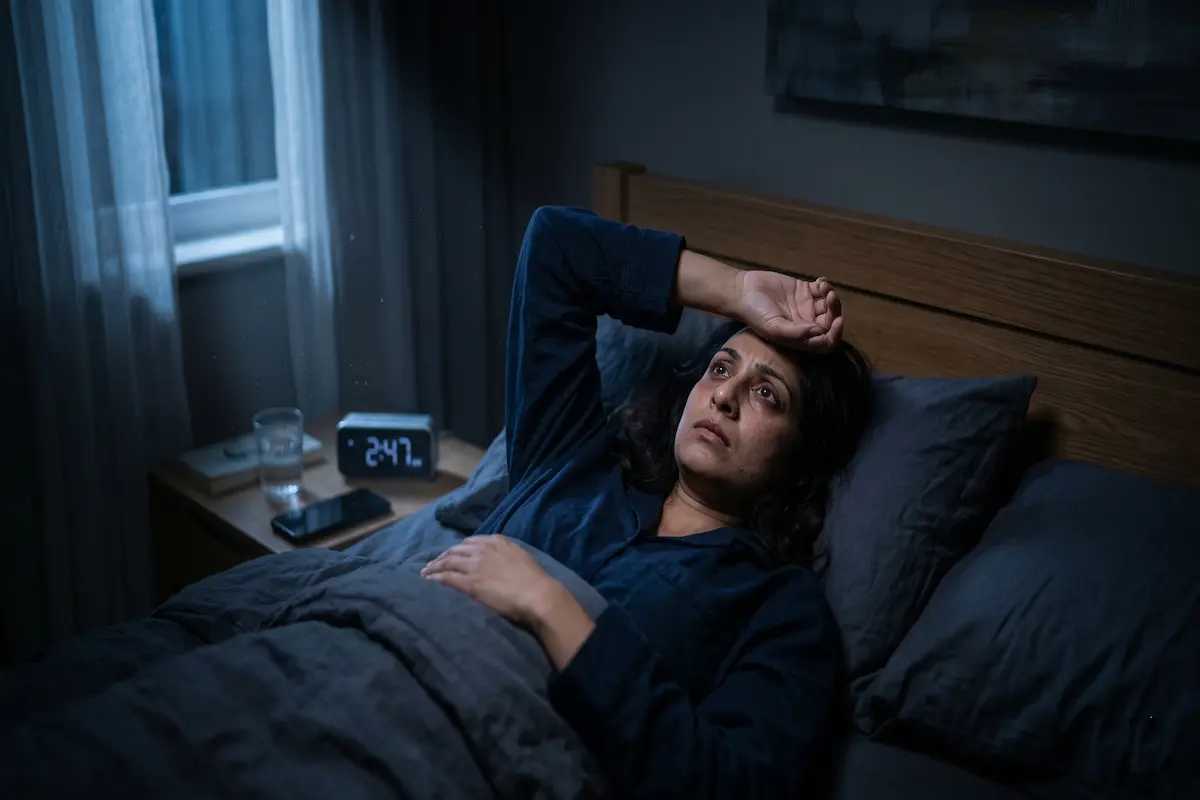
It was 2:47 a.m.
Maria, a 38-year-old schoolteacher from Mumbai, was staring at the ceiling again. She had been lying in bed for three hours. Her body was exhausted. Her eyes burned. But sleep, that simple, natural thing every living creature on earth does, simply would not come.
Turning from side to side, counting backwards from a thousand, trying warm milk, a podcast, even prescription antihistamines her cousin had recommended. Nothing worked. The next morning brought six exhausting periods of teaching, three errors grading papers, and a sharp word snapped at her husband over something so trivial she could not even remember it by evening.
This went on for four months.
If Maria’s story feels uncomfortably familiar, you are not alone. According to the American Academy of Sleep Medicine, approximately 30% of adults experience short-term insomnia symptoms, and between 10–15% suffer from chronic insomnia, defined as difficulty sleeping at least three nights per week for three months or more. That is hundreds of millions of people lying awake right now, in cities and villages across every time zone on earth.
This guide is for all of them. And for you.
We are going to walk through everything, what insomnia actually is, why it happens, what science says about fixing it, and what you can start doing tonight. No vague tips. No recycled advice. Just research-backed, honest answers written by someone who has spent years studying how the human body works.
What Is Insomnia?
Let us be precise, because insomnia is one of the most misunderstood words in health.
Insomnia is not simply “having a bad night.” It is not jet lag, or staying up late watching a show, or the occasional pre-exam anxiety that keeps you awake. Insomnia is a clinical sleep disorder, defined by the presence of all three of the following, according to the Diagnostic and Statistical Manual of Mental Disorders (DSM-5):
- Difficulty initiating sleep, maintaining sleep, or waking too early, with an inability to return to sleep.
- The sleep disturbance causes significant distress or daytime impairment, such as fatigue, difficulty concentrating, irritability, or reduced performance at work or school.
- The sleep difficulty occurs despite adequate opportunity and circumstances for sleep.
In other words, insomnia is not about lacking time to sleep. It is about lying in bed with every opportunity to sleep, and still being unable to.
Types of Insomnia
Understanding which type you have matters enormously, because the treatment differs.
Acute insomnia lasts from a few days to a few weeks, usually triggered by a specific stressor, a job loss, a relationship crisis, a health scare. The good news is that most acute insomnia resolves on its own once the stressor passes.
Chronic insomnia persists for three months or more, at least three nights per week. This is where the real damage happens, and where professional intervention is often necessary.
Within these categories, sleep medicine also distinguishes:
- Sleep-onset insomnia: You lie down but cannot fall asleep (taking more than 20–30 minutes to drift off). Often driven by anxiety and racing thoughts.
- Sleep-maintenance insomnia: You fall asleep fine but wake repeatedly during the night or too early in the morning. Often linked to stress hormones, alcohol, sleep apnea, or depression.
- Mixed insomnia: Both onset and maintenance problems occur together. This is actually the most common presentation in clinical settings.
Insomnia Symptoms
What to Look for at Night
The nighttime symptoms of insomnia extend well beyond “I can’t sleep.” According to the National Sleep Foundation, watch for:
- Lying awake for 20 minutes or more after going to bed, regularly
- Waking up multiple times per night and struggling to fall back asleep
- Waking significantly earlier than intended and being unable to return to sleep
- Feeling like your sleep is light, unrefreshing, or “thin”, even after a full night in bed
- Relying on alcohol, sleep aids, or over-the-counter antihistamines to fall asleep
The Daytime Symptoms People Overlook
Here is what makes insomnia particularly insidious: the most damaging effects happen during daylight hours, not in the bedroom. The Centers for Disease Control and Prevention (CDC) identifies the following daytime markers:
- Persistent fatigue and low energy that does not improve with rest
- Difficulty concentrating, remembering, or making decisions
- Increased errors at work, while driving, or during physical activities
- Mood disturbances, irritability, anxiety, or a lowered threshold for frustration
- Reduced motivation and social withdrawal
- Physical symptoms including tension headaches and gastrointestinal discomfort
If you recognise three or more of the daytime symptoms above, and they are consistently present, it is time to take your sleep seriously as a health issue, not a lifestyle inconvenience.
When to See a Doctor
See a healthcare professional if:
- Your insomnia has lasted more than four weeks
- It is significantly affecting your work, relationships, or safety (such as drowsy driving)
- You suspect an underlying condition such as sleep apnea, restless legs syndrome, or depression
- You are relying on substances, including alcohol, sleeping pills, or cannabis, to sleep regularly
Enjoyed this article?
If you find the blogs helpful, you can support Chatterlane with a small contribution. Even a cup of coffee helps me continue creating useful, well-researched content.
What Causes Insomnia?
This is where most guides go wrong. They give you a list, stress, caffeine, screens, and leave it there. But insomnia causation is rarely a single thread. It is a web. The 3P Model of Insomnia, developed by researcher Dr. Arthur Spielman and widely cited in sleep medicine, describes three interlocking factors:
Predisposing factors: Your biological and psychological baseline, genetic vulnerability to anxiety, a naturally hyperactive stress response, a tendency toward perfectionism or worry.
Precipitating factors: The trigger event, a divorce, a medical diagnosis, a career setback, a new baby. This is what starts the insomnia.
Perpetuating factors: The habits and thought patterns that keep it going long after the original trigger has passed. Spending hours in bed trying to force sleep. Napping excessively during the day. Checking the clock repeatedly at 3 a.m. These are the reasons acute insomnia becomes chronic.
Stress and Anxiety
The relationship between stress and insomnia runs both ways and deepens over time. When you are stressed, your hypothalamic-pituitary-adrenal (HPA) axis activates and raises cortisol levels. Cortisol is a wakefulness hormone. High cortisol at night means your brain interprets bedtime as a threat, not a rest.
According to a landmark study published in the journal Sleep (Vgontzas et al., 2001), patients with insomnia showed significantly elevated 24-hour cortisol secretion compared to good sleepers, confirming that insomnia is not just psychological but has measurable physiological underpinnings.
Depression
Insomnia and depression are so deeply intertwined that clinicians sometimes cannot determine which came first. The World Health Organization (WHO) notes that insomnia is present in over 90% of people with major depressive disorder. Conversely, people with chronic insomnia are 10 times more likely to develop clinical depression than those who sleep well.
If your insomnia is accompanied by persistent low mood, loss of interest in activities you previously enjoyed, changes in appetite, or feelings of worthlessness, please see a doctor. What you are experiencing may be larger than a sleep problem.
(For a deeper exploration of depression, read our guide: Depression: A Helpful Guide to Healing, Hope, and Recovery)
Medical Conditions
A significant proportion of chronic insomnia cases have an underlying medical driver. The most common include:
- Obstructive sleep apnea (OSA): Causes repeated micro-arousals throughout the night. Many people with sleep apnea believe they simply “can’t sleep” without realising their airway is the problem.
- Restless Legs Syndrome (RLS): Creates uncomfortable sensations in the legs that intensify at night, making sleep onset extremely difficult.
- Chronic pain conditions: Arthritis, fibromyalgia, and back pain all significantly disrupt sleep architecture.
- Gastroesophageal reflux disease (GERD): Acid reflux that worsens in a horizontal position can cause repeated overnight awakenings.
- Thyroid disorders: Both hyperthyroidism and hypothyroidism affect sleep quality and should be ruled out in persistent cases.
Medications, Substances, and Stimulants
A surprisingly long list of common medications disrupts sleep as a side effect. These include certain antidepressants (SSRIs), beta-blockers, corticosteroids, some blood pressure medications, decongestants, and stimulant-based ADHD treatments. Beyond prescription drugs:
- Caffeine has a half-life of approximately 5–7 hours in the average adult, meaning a 3 p.m. coffee still has half its stimulant effect at 9–10 p.m. For people who metabolise caffeine slowly, even a noon coffee can affect midnight sleep.
- Alcohol is perhaps the most misunderstood sleep substance. While it accelerates sleep onset, it severely fragments the second half of sleep, suppresses REM sleep, and increases cortisol levels in the early morning hours.
- Nicotine is a stimulant that reduces total sleep time and delays sleep onset.
- Screens and blue light suppress melatonin production. Research from Harvard Medical School found that blue light suppresses melatonin for roughly twice as long as green light. However, the content of what you are watching, emotionally activating social media, stressful news, may matter even more than the light itself.
Hormonal Changes
Insomnia is significantly more common in women, in large part because of hormonal fluctuation across the lifespan. According to the National Sleep Foundation’s Women and Sleep Poll, women are more likely than men to experience insomnia at virtually every life stage.
- Premenstrual phase: Progesterone fluctuations disrupt sleep in the week before menstruation.
- Pregnancy: Especially in the third trimester, physical discomfort, frequent urination, and anxiety about birth converge.
- Perimenopause and menopause: Hot flashes and night sweats directly interrupt sleep. The North American Menopause Society reports that up to 61% of peri- and postmenopausal women experience significant sleep disturbance.
How Much Sleep Do You Actually Need?
This is one of the most Googled sleep questions, and one of the most important to get right.
The American Academy of Sleep Medicine and the Sleep Research Society jointly recommend:
| Age Group | Recommended Sleep |
| Teens (13–18 years) | 8–10 hours per night |
| Adults (18–60 years) | 7 or more hours per night |
| Adults (61–64 years) | 7–9 hours per night |
| Adults (65+ years) | 7–8 hours per night |
Three important nuances the headline figures don’t capture:
Quality matters as much as quantity. Six hours of deep, uninterrupted sleep can leave you more restored than nine hours of fragmented, light sleep. Total time in bed is not the same as restorative sleep.
Individual variation is real. Genetics play a meaningful role in sleep need. A small percentage of the population, estimated at under 3%, are genuine “short sleepers” who function optimally on six hours or less. This is not a learned trait. You cannot train yourself to need less sleep.
Sleep debt is cumulative. According to research published in Sleep journal, sleeping six hours per night for two weeks produces cognitive impairment equivalent to two full nights of total sleep deprivation, yet subjects consistently rated themselves as “slightly sleepy,” dramatically underestimating their impairment.
The Science of Sleep
Understanding what happens in your brain during sleep helps explain why insomnia is so damaging, and why the treatments work.
Sleep Architecture: The Stages
Sleep is not a single uniform state. It cycles through distinct stages, each with different neurological and restorative functions. A complete sleep cycle lasts approximately 90–110 minutes, and healthy adults typically cycle through 4–6 complete cycles per night.
- NREM Stage 1 (N1): The transition into sleep. Light, easily disrupted.
- NREM Stage 2 (N2): Body temperature drops, heart rate slows. This is where the majority of sleep time is spent.
- NREM Stage 3 (N3, Deep Sleep): The most physically restorative stage. Human growth hormone is released. Tissue repair occurs. This is hardest to awaken from and most affected by alcohol and ageing.
- REM Sleep (Rapid Eye Movement): The brain is highly active. Emotional memories are processed, creativity is consolidated, and learning is embedded into long-term memory. REM sleep is concentrated in the later sleep cycles, which is why cutting sleep short by even 60–90 minutes disproportionately reduces REM.
The Cortisol-Melatonin Seesaw
Your body runs on a roughly 24-hour internal clock called the circadian rhythm, governed by the suprachiasmatic nucleus (SCN) in the hypothalamus. This clock regulates the opposing rhythms of cortisol (a wakefulness/alertness hormone peaking in the morning) and melatonin (a darkness-triggered sleep signal rising in the evening).
In people with insomnia, this seesaw is disrupted. Cortisol remains elevated into the evening. Melatonin production is blunted or delayed. The result is a brain that cannot fully transition from its daytime vigilance mode into the quieter, cooler, melatonin-bathed state that allows sleep to occur naturally.
This is not a character flaw. It is a physiological state, and importantly, it is reversible.
How to Treat Insomnia
CBT-I: The Gold Standard
If there is one thing to take away from this entire guide, it is this: Cognitive Behavioural Therapy for Insomnia (CBT-I) is the most effective treatment for chronic insomnia, endorsed by the American College of Physicians (ACP), the American Academy of Sleep Medicine, and the NHS in the United Kingdom as the first-line treatment, recommended even above sleeping pills.
CBT-I is a structured programme, typically delivered over 6–8 sessions with a trained therapist (or via validated digital programmes), that targets the perpetuating factors maintaining insomnia. It works on two levels simultaneously: changing the behaviours that sabotage sleep and restructuring the thoughts that keep the brain alert at night.
Its efficacy is remarkable. A meta-analysis published in the Journal of the American Medical Association (JAMA) covering 20 randomised controlled trials found that CBT-I reduced time to fall asleep by an average of 19 minutes, reduced nighttime awakenings, and improved overall sleep quality, with effects that persisted for 12+ months after treatment ended.
Sleep Restriction Therapy
One of CBT-I’s most counterintuitive, and powerful, components is sleep restriction therapy. The idea: if you are spending eight hours in bed but only sleeping five, you are effectively training your brain to associate the bed with wakefulness. Sleep restriction temporarily compresses your sleep window to build up intense sleep pressure. As sleep efficiency improves, the window is gradually extended.
Most people find the first week difficult. By weeks two and three, sleep consolidates dramatically. This is not a technique to attempt without guidance if you have significant depression or a seizure history.
Stimulus Control Therapy
Your bed should be associated with sleep and sex, and nothing else. That is the foundational premise of stimulus control therapy, which targets the conditioned arousal that develops in chronic insomnia. The key rules:
- Go to bed only when you are sleepy (not just tired).
- If you cannot sleep within 20 minutes, get up. Go to another room. Return only when genuinely sleepy.
- No screens, eating, or anxious clock-watching in bed.
- Wake up at the same time every morning, regardless of how well you slept.
Relaxation and Breathing Techniques
Progressive Muscle Relaxation (PMR): Systematically tensing and releasing muscle groups from feet to face, inducing physical relaxation and drawing attention away from rumination.
4-7-8 Breathing: Inhale for 4 counts, hold for 7, exhale slowly for 8. This activates the parasympathetic nervous system, the body’s “rest and digest” mode, directly counteracting the cortisol-driven arousal state.
Body Scan Meditation: Non-judgmental attention directed sequentially through the body. A study published in JAMA Internal Medicine (Black et al., 2015) found that mindfulness meditation significantly improved sleep quality in older adults with moderate sleep disturbances.
(Related: 7 Easy Breathing Exercises for Relief in Humid Weather)
Sleep Medications: What You Should Know
Melatonin receptor agonists (e.g., Ramelteon): Useful for circadian rhythm disruption. Low addiction risk. Appropriate for long-term use.
Orexin receptor antagonists (e.g., Suvorexant/Belsomra): A newer class that blocks the brain’s wakefulness signal rather than sedating the whole brain. Increasingly preferred by sleep medicine specialists.
Z-drugs (Zolpidem/Ambien, Zopiclone, Eszopiclone): The most commonly prescribed sleep medications. The FDA and the British Medical Journal have published warnings about dependency risk, next-day impairment, and rebound insomnia upon discontinuation.
Benzodiazepines: Older class, high dependency potential. Generally not recommended as a first choice by current clinical guidelines.
Over-the-counter antihistamines (Diphenhydramine/Benadryl): Common and largely ineffective for chronic insomnia. Tolerance develops within days. The American Geriatrics Society specifically recommends avoiding these in adults over 65 due to cognitive side effects.
Natural Remedies for Insomnia
Melatonin: What the Evidence Actually Shows
Melatonin supplements are among the most purchased sleep aids globally. But they are widely misunderstood. Melatonin is a timing signal, not a sedative. It tells your brain that darkness has arrived, it does not directly induce sleep. This means it is most useful for:
- Jet lag: Genuinely effective for resetting circadian rhythm after rapid time zone changes.
- Delayed Sleep Phase Syndrome (DSPS): Effective when taken 2–3 hours before desired bedtime.
- Shift workers: Can help reset a disrupted body clock.
For straightforward insomnia, the evidence for melatonin is modest. A Cochrane Review found that melatonin reduced sleep onset time by a mean of only 7 minutes compared to placebo. Dosage matters: 0.5–1mg, taken 1–2 hours before bed, is typically sufficient and avoids next-morning grogginess.
Magnesium
Magnesium plays a role in regulating the GABA receptor system, the brain’s primary inhibitory pathway. A study published in the Journal of Research in Medical Sciences (Abbasi et al., 2012) found that magnesium supplementation in elderly adults with insomnia significantly improved sleep time, sleep efficiency, and early morning awakening compared to placebo. Magnesium glycinate or magnesium threonate are the most bioavailable forms. 200–400mg taken in the evening is typically recommended.
(Related: Processed Foods: The Silent Threat Hiding in Your Daily Diet)
Other Evidence-Based Natural Options
L-theanine: An amino acid found naturally in green tea. Promotes alpha brainwave activity (associated with relaxed alertness) without sedation. Effective dose: 100–200mg.
Ashwagandha: A randomised controlled trial published in Medicine journal (Langade et al., 2019) found that ashwagandha root extract significantly improved sleep quality, sleep onset latency, and morning alertness versus placebo.
Valerian root: Results from research are mixed. Likely most useful for anxiety-driven insomnia.
Honey and warm milk: The classic combination has some physiological backing. Honey raises insulin slightly, which helps tryptophan cross the blood-brain barrier where it converts to serotonin and then melatonin. Milk contains small amounts of tryptophan and calcium, which supports melatonin synthesis.
(Related: Benefits of Honey: Nature’s Gift for Health and Healing)
Sleep Hygiene: The Foundation
“Sleep hygiene” has become so common a phrase that people have stopped taking it seriously. That is a mistake. The habits below are not optional lifestyle polish, they are the structural conditions your brain requires to do something it evolved to do automatically.
Build a Wind-Down Routine That Sticks
The transition from wakefulness to sleep is not a switch. It is a gradient. Your nervous system needs approximately 45–90 minutes to downregulate from its daytime cortisol-dominant state. An effective wind-down routine:
- Begins at a consistent time each evening (ideally 9–10 p.m. for a 10:30–11 p.m. bedtime)
- Involves dim, warm lighting
- Avoids news, social media, and work emails
- Includes something physically or mentally calming, light stretching, reading fiction, a brief journaling session, a warm shower
A review published in Sleep Medicine Reviews (Haghayegh et al., 2019) found that bathing 1–2 hours before bed in water of 40–42°C accelerated sleep onset by an average of 10 minutes by triggering the peripheral vasodilation that helps lower core body temperature.
The Bedroom Environment Checklist
- Cool: Core body temperature must drop by approximately 1–2°C to initiate sleep. The ideal bedroom temperature is 16–19°C (60–67°F) for most adults.
- Dark: Complete darkness. Even small amounts of light can suppress melatonin and disrupt sleep architecture. Blackout curtains or a sleep mask are tools, not luxuries.
- Quiet or consistently masked: Consistent, neutral sound (white noise, brown noise, a fan) is more effective than intermittent sounds because it reduces the differential between background noise and sudden disruptions.
- Associated only with sleep: Remove televisions, laptops, and work materials from the bedroom wherever possible.
(Related: AC and Breathing Problems: 5 Secrets to Instant Relief)
Exercise, Light Exposure, and Sleep Timing
Exercise is one of the most reliable sleep promoters available. A meta-analysis in Mental Health and Physical Activity found that regular aerobic exercise reduced insomnia severity and improved sleep quality. Timing matters: vigorous exercise within 2–3 hours of bedtime can delay sleep.
Morning light exposure is perhaps the single most underrated intervention for insomnia. Bright natural light in the first hour after waking anchors your circadian clock. Ten to thirty minutes of outdoor light exposure in the morning, no sunglasses, can meaningfully shift sleep timing within days.
Consistent wake time is the anchor of a healthy sleep schedule. A fixed wake time, even on weekends, is the single most powerful signal for your circadian system.
Insomnia Across Different Groups
Women and Insomnia: Insomnia is nearly twice as prevalent in women as in men. Beyond hormonal factors, women are also more likely to experience anxiety disorders and are disproportionately affected by the mental load of caregiving responsibilities that generates nighttime rumination.
Insomnia in Older Adults: The prevalence of insomnia increases with age. Changes in sleep architecture, increased medical comorbidities, and medication side effects all contribute. Importantly, the goal of treatment in older adults is not eight hours, expecting the sleep of a 25-year-old at 70 creates unnecessary anxiety.
Children and Adolescents: Insomnia in children is often behavioural. Adolescents face the additional challenge of a biological circadian delay: puberty genuinely shifts the internal clock toward later sleep and wake times, a concern formally recognised by the American Academy of Paediatrics.
Work-From-Home and Insomnia: When your bedroom becomes your office, the brain loses the spatial and temporal cues that separate work stress from rest. Maintaining a physical separation between work and sleep space is clinically meaningful.(Related: Work from Home Hacks: Simple Productivity Tips That Work)
A 7-Day Sleep Reset Plan
For readers ready to take immediate action, here is a structured, evidence-based starting framework:
Days 1–2: Audit and anchor, Set a fixed wake time and hold it regardless of how well you slept the night before. Begin morning light exposure. Remove all devices from the bedroom.
Days 3–4: Clean the inputs, Cut caffeine off at noon. Eliminate alcohol for the week. Dim lights at home by 9 p.m.
Days 5–6: Build the wind-down, Begin a 45-minute pre-sleep routine. Try 4-7-8 breathing in bed. If you lie awake for 20+ minutes, get up.
Day 7: Assess and build forward, Notice what shifted. Most people who complete this week report meaningfully improved sleep onset, even without any medication.
If sleep has not improved after four weeks of consistent effort, consult a doctor or seek referral to a certified CBT-I practitioner.
References and Sources
This guide draws on evidence from the following peer-reviewed and institutional sources:
American Academy of Sleep Medicine (AASM), Clinical Practice Guideline for the Pharmacologic Treatment of Chronic Insomnia in Adults (2017). jcsm.aasm.org/doi/10.5664/jcsm.6470
American College of Physicians (ACP), Management of Chronic Insomnia Disorder in Adults: A Clinical Practice Guideline. Annals of Internal Medicine, 165(2), 125–133 (2016). acpjournals.org/doi/10.7326/M15-2175
Vgontzas AN, et al., Chronic insomnia is associated with nyctohemeral activation of the hypothalamic-pituitary-adrenal axis. Journal of Clinical Endocrinology and Metabolism, 86(8), 3787–3794 (2001). pubmed.ncbi.nlm.nih.gov/11502812
Black DS, et al., Mindfulness meditation and improvement in sleep quality and daytime impairment among older adults with sleep disturbances. JAMA Internal Medicine, 175(4), 494–501 (2015). pubmed.ncbi.nlm.nih.gov/25686304
Haghayegh S, et al., Before-bedtime passive body heating by warm shower or bath to improve sleep: A systematic review and meta-analysis. Sleep Medicine Reviews, 46, 124–135 (2019). pubmed.ncbi.nlm.nih.gov/31102877
Langade D, et al., Efficacy and Safety of Ashwagandha Root Extract in Insomnia and Anxiety. Medicine, 98(37), e17186 (2019). pubmed.ncbi.nlm.nih.gov/31517876
Abbasi B, et al., The effect of magnesium supplementation on primary insomnia in elderly. Journal of Research in Medical Sciences, 17(12), 1161–1169 (2012). pmc.ncbi.nlm.nih.gov/articles/PMC3703169
National Sleep Foundation, Sleep in America Poll: Women and Sleep (2018). sleepfoundation.org/women-sleep
World Health Organization (WHO), Mental health and sleep disorders. who.int/news-room/fact-sheets/detail/mental-disorders
Harvard Medical School, Division of Sleep Medicine, Blue light has a dark side (2020). health.harvard.edu/staying-healthy/blue-light-has-a-dark-side
Van Dongen HP, et al., The cumulative cost of additional wakefulness: dose-response effects on neurobehavioral functions. Sleep, 26(2), 117–126 (2003). pubmed.ncbi.nlm.nih.gov/12683469
Frequently Asked Questions
Why can’t I sleep even when I’m exhausted?
This is one of the most common and most distressing experiences in insomnia. The reason is cortisol-driven hyperarousal. Exhaustion is a physical state, your body is depleted. But insomnia is driven by your brain’s arousal system, which can override physical tiredness entirely. Chronic stress, anxiety, and the conditioned association between bed and wakefulness all sustain neurological alertness even when the body is desperate for rest. CBT-I, particularly stimulus control and relaxation techniques, directly addresses this disconnect.
How long does insomnia last?
Acute insomnia typically resolves within a few days to four weeks once the triggering stressor passes. Chronic insomnia. By definition, persisting for three months or more, requires active treatment. Without intervention, chronic insomnia tends to persist and worsen over time. It rarely resolves on its own. With CBT-I, most people see meaningful improvement within 6–8 weeks.
What is the fastest way to fall asleep?
The fastest reliable method for sleep onset is reducing physiological arousal. The 4-7-8 breathing technique (inhale 4, hold 7, exhale 8) activates the parasympathetic nervous system within minutes. A warm bath or shower 60–90 minutes before bed lowers core body temperature. Progressive muscle relaxation reduces physical tension that perpetuates wakefulness. There is no instant switch, but these techniques, applied consistently, can reduce sleep onset time by 10–20 minutes within a week.
Is insomnia a mental health condition?
Insomnia occupies a complex space. It is listed as a standalone diagnosis in the DSM-5 (the psychiatric diagnostic manual), meaning it qualifies as a mental health condition in its own right. It is also frequently comorbid with anxiety disorders, depression, PTSD, and bipolar disorder. The relationship is bidirectional, mental health conditions cause insomnia, and chronic insomnia worsens mental health conditions. Treating insomnia directly, even when it co-occurs with a mental health condition, produces independent improvements in both.
Can insomnia go away on its own?
Acute insomnia often does. Chronic insomnia rarely does without intervention. Research consistently shows that without treatment, chronic insomnia persists at high rates over follow-up periods of one to three years. The key reason is perpetuating behaviors. The compensatory habits people develop in response to poor sleep (long naps, spending extra time in bed, clock-watching) that inadvertently maintain the disorder even after the original trigger has resolved.
What foods help with insomnia?
Several foods have evidence-supported associations with improved sleep. Tart cherries are a natural source of melatonin, a study in the European Journal of Nutrition found that tart cherry juice increased sleep time by 25 minutes. Kiwi fruit contains serotonin precursors, a Taiwanese study found that eating two kiwis one hour before bed for four weeks improved sleep onset and duration. Fatty fish (salmon, mackerel) provides Vitamin D and omega-3 fatty acids, both linked to serotonin regulation. Warm milk and honey supports tryptophan metabolism. Foods to avoid close to bedtime include anything high in sugar (spikes insulin), spicy foods (raises core body temperature), and alcohol.
Does anxiety cause insomnia, or does insomnia cause anxiety?
Both. This is the central cruel paradox of insomnia. Anxiety activates the same cortisol-driven arousal system that blocks sleep. And lying awake for hours, watching the clock, calculating how tired you will be tomorrow, that experience is itself anxiety-inducing. Over time, the bed becomes a conditioned stimulus for anxiety. You walk into your bedroom and your brain activates. CBT-I breaks this cycle by systematically decoupling the association between bed and wakefulness.
Is 5 hours of sleep enough?
For the vast majority of adults, no. The American Academy of Sleep Medicine and sleep research consistently show that sleeping five hours or fewer per night is associated with significantly elevated risks of cardiovascular disease, type 2 diabetes, obesity, immune dysfunction, depression, and motor vehicle accidents. Performance impairment after chronic five-hour sleep is substantial, and as research by Dr. Hans Van Dongen demonstrated, people habituated to sleep restriction consistently underestimate how impaired they are. The belief that “I’m fine on five hours” is itself a cognitive symptom of insufficient sleep.
When should I go to a doctor for insomnia?
Seek medical advice when your insomnia has lasted more than four weeks, when it is affecting your work, driving safety, or relationships, when you suspect sleep apnea through signs such as snoring, witnessed pauses in breathing, or waking with headaches, or when you have symptoms of depression or anxiety, or are using alcohol or sedating substances to sleep regularly. A doctor can rule out underlying conditions, refer you to a CBT-I practitioner, and where appropriate, discuss short-term medication options.
You Can Sleep Again
Maria, the teacher from our opening story, eventually found her way to a CBT-I therapist. Eight weeks of work followed. Getting out of bed at 2 a.m. on difficult nights rather than lying awake resenting the ceiling. Setting a 6 a.m. alarm even on Saturdays when she desperately wanted to sleep in.
And it worked.
Not because she found a magic supplement or the perfect mattress. But because she understood, for the first time, why her sleep system had gone wrong, and she gave it the specific, evidence-based tools it needed to reset.
Sleep is not a luxury. It is the biological foundation on which every other dimension of your health rests. Your mood, your weight, your immune function, your cardiovascular health, your relationships, your cognitive performance, all of it degrades predictably and measurably without sufficient sleep, and all of it improves when sleep is restored. You deserve to sleep. And the science to help you do it exists, is well-established, and is available.
If this guide helped you, share it with someone who needs it. Sleep disorders affect people in silence, because exhaustion makes asking for help feel impossible. Being the person who sends them this might be the most useful thing you do for them today.
Have a question about insomnia that wasn’t answered here? Leave a comment below or send us a note through our Feedback Form. We read every message and update this guide regularly.
Want research-backed health insights delivered to your inbox? Subscribe to the Chatterlane Newsletter.
Comments
4 responses to “Insomnia: Complete Guide to Finally Sleep Well”
Hi there to all, for the reason that I am genuinely keen of reading this website’s post to be updated on a regular basis. It carries pleasant stuff.
You’re so awesome! I don’t believe I have read a single thing like that before. So great to find someone with some original thoughts on this topic. Really.. thank you for starting this up. This website is something that is needed on the internet, someone with a little originality!
I very delighted to find this internet site on bing, just what I was searching for as well saved to fav
I’m often to blogging and i really appreciate your content. The article has actually peaks my interest. I’m going to bookmark your web site and maintain checking for brand spanking new information.